 Acme Corporation
Machining is any process in which a cutting tool is used to remove small chips of material from the workpiece (the workpiece is often called the “work”). To perform the operation, relative motion is required between the tool and the work. This relative motion is achieved in most machining operation by means of a primary motion, called “cutting speed” and a secondary motion called “feed”.[7] The shape of the tool and its penetration into the work surface, combined with these motions, produce the desired shape of the resulting work surface.
Tag - Manufacturing
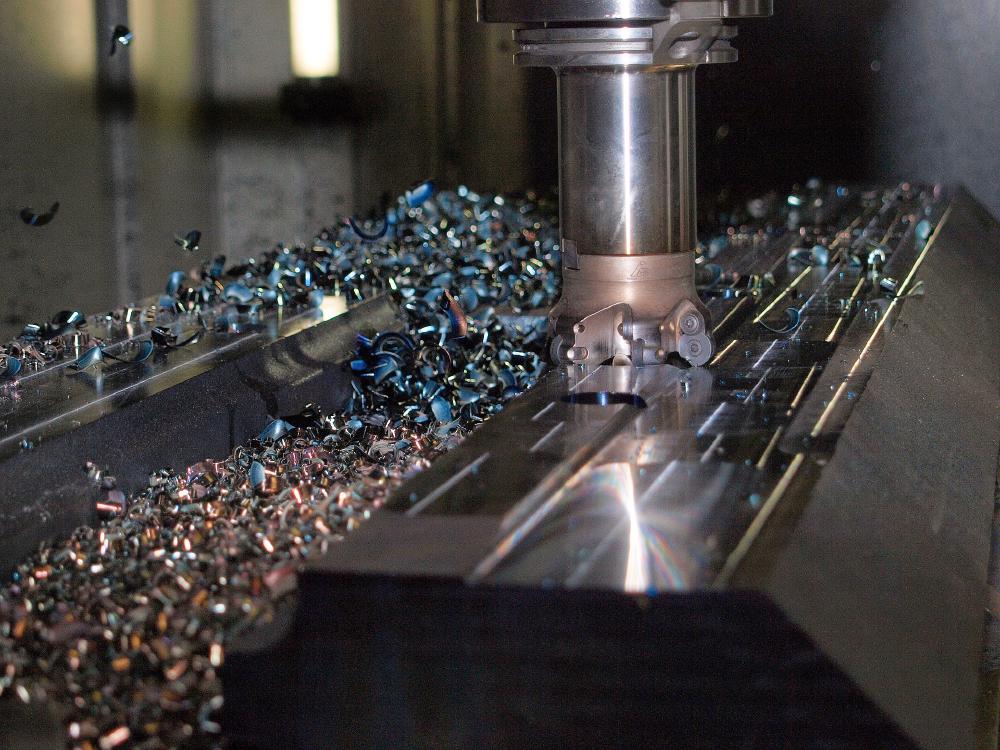
Our Manufacturing Process Part III
Read More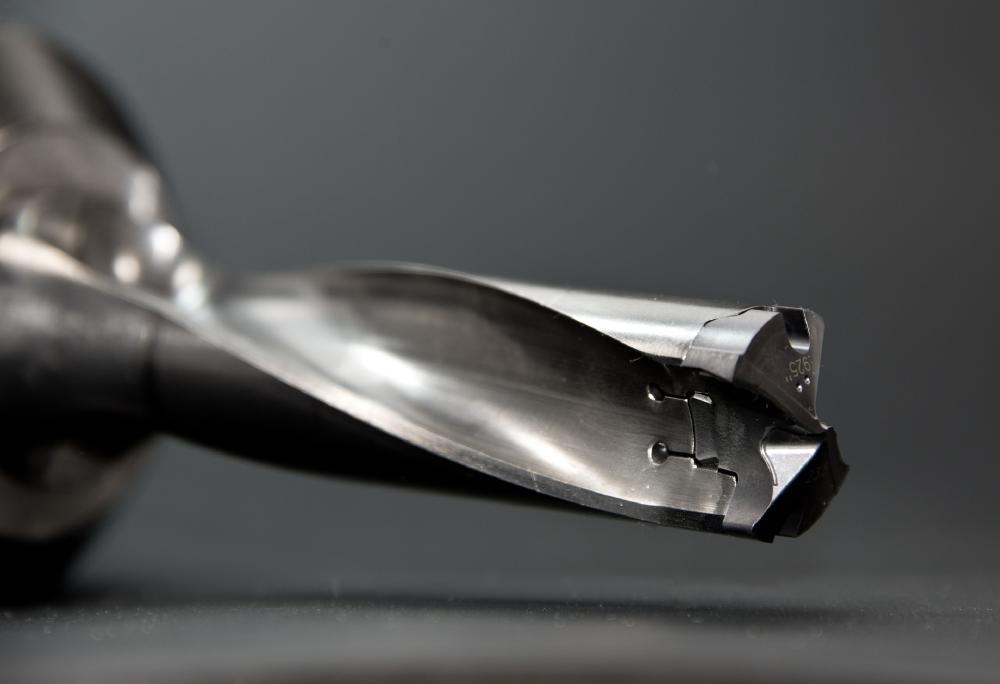
Our Manufacturing Process Part II
The three principal machining processes are classified as turning, drilling and milling. Other operations falling into miscellaneous categories include shaping, planing, boring, broaching and sawing.[5]
- Turning operations are operations that rotate the workpiece as the primary method of moving metal against the cutting tool. Lathes are the principal machine tool used in turning.
- Milling operations are operations in which the cutting tool rotates to bring cutting edges to bear against the workpiece. Milling machines are the principal machine tool used in milling.
- Drilling operations are operations in which holes are produced or refined by bringing a rotating cutter with cutting edges at the lower extremity into contact with the workpiece. Drilling operations are done primarily in drill presses but sometimes on lathes or mills.
- Miscellaneous operations are operations that strictly speaking may not be machining operations in that they may not be swarf producing operations but these operations are performed at a typical machine tool. Burnishing is an example of a miscellaneous operation. Burnishing produces no swarf but can be performed at a lathe, mill, or drill press.
An unfinished workpiece requiring machining will need to have some material cut away to create a finished product. A finished product would be a workpiece that meets the specifications set out for that workpiece by engineering drawings or blueprints. For example, a workpiece may be required to have a specific outside diameter. A lathe is a machine tool that can be used to create that diameter by rotating a metal workpiece, so that a cutting tool can cut metal away, creating a smooth, round surface matching the required diameter and surface finish. A drill can be used to remove metal in the shape of a cylindrical hole. Other tools that may be used for various types of metal removal are milling machines, saws, and grinding machines. Many of these same techniques are used in woodworking.
Read More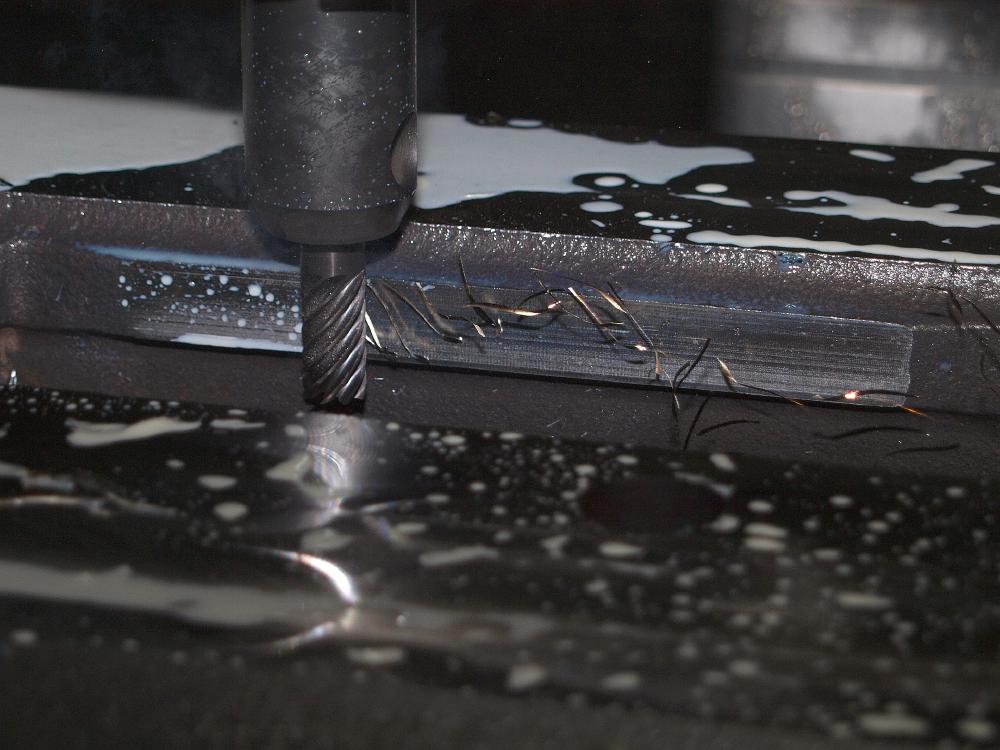
Our Manufacturing Process Part I
Machining is any of various processes in which a piece of raw material is cut into a desired final shape and size by a controlled material-removal process. The processes that have this common theme, controlled material removal, are today collectively known as subtractive manufacturing,[1] in distinction from processes of controlled material addition, which are known as additive manufacturing. Exactly what the “controlled” part of the definition implies can vary, but it almost always implies the use of machine tools (in addition to just power tools and hand tools).
Read More
Building Squares
In geometry, a square is a regular quadrilateral, which means that it has four equal sides and four equal angles (90-degree angles, or (100-gradian angles or right angles). It can also be defined as a rectangle in which two adjacent sides have equal length. A square with vertices ABCD would be denoted ◻ ABCD.
Read More- News
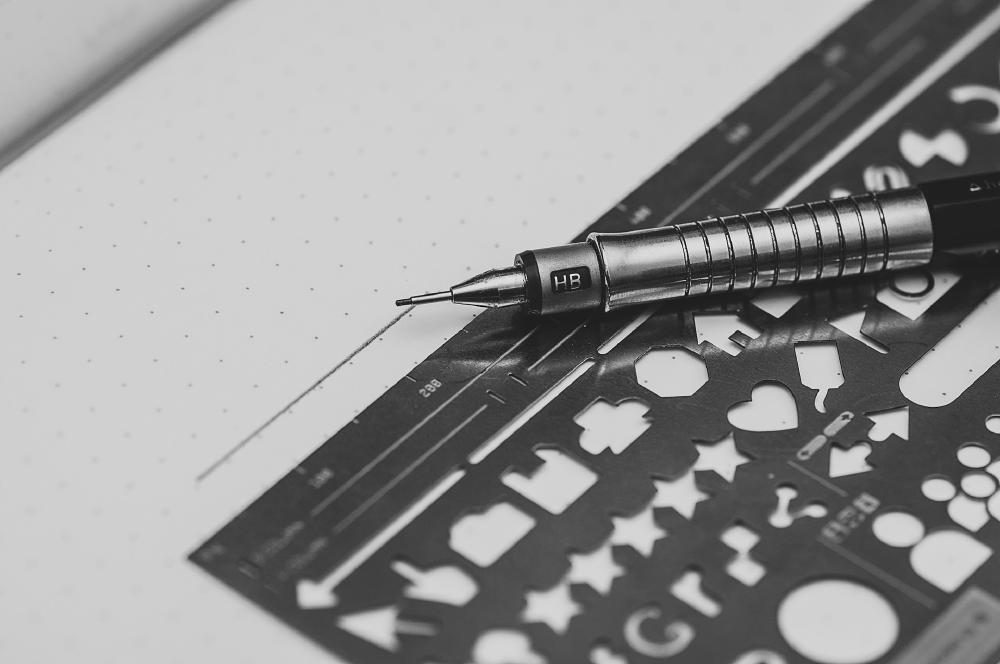
Shaper
Drawing is a form of visual art in which a person uses various drawing instruments to mark paper or another two-dimensional medium. Instruments include graphite pencils, pen and ink, various kinds of paints, inked brushes, colored pencils, crayons, charcoal, chalk, pastels, various kinds of erasers, markers, styluses, and various metals (such as silverpoint). Digital drawing is the act of using a computer to draw. Common methods of digital drawing include a stylus or finger on a touchscreen device, stylus- or finger-to-touchpad, or in some cases, a mouse. There are many digital art programs and devices.
Read More - News
Square License
A license (American English) or licence (British English) is an official permission or permit to do, use, or own something (as well as the document of that permission or permit).
A license can be granted by a party to another party as an element of an agreement between those parties. A shorthand definition of a license is “an authorization to use licensed material.”
In particular, a license may be issued by authorities, to allow an activity that would otherwise be forbidden. It may require paying a fee or proving a capability. The requirement may also serve to keep the authorities informed on a type of activity, and to give them the opportunity to set conditions and limitations.
Read More